
"ECX grade"
300 article(s) found
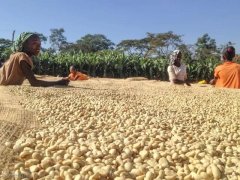
How are Ethiopian coffee beans graded? What's the difference between G1 and G3?
Professional coffee knowledge exchange more coffee bean information Please pay attention to the coffee workshop (Wechat official account cafe_style) often see Essel beans packaging written on what G1, G2, G3, what do these represent? What is the difference between them? The grading of Ethiopian coffee beans first of all, the Ethiopian Ministry of Agriculture has a person called CLU (Cupping and Liquoring Unit).

What do you recommend for Ethiopian coffee? Characteristics of coffee beans in Ethiopia
Professional coffee knowledge exchange more coffee bean information please follow the coffee workshop (Wechat official account cafe_style) ● descendants of King Solomon and Queen Sheba Ethiopians regard themselves as descendants of King Solomon and Queen Sheba, the lion is the symbol of power of their country, the country's population reached 102403196 in 2016, (12th in the world), is the world's most populous landlocked country

The influence of Ethiopian Commodity Exchange on Coffee Market characteristics of flavor and taste of Huakui coffee beans
Coffee crops are the main source of foreign exchange in Ethiopia. It is the main export commodity to earn valuable foreign exchange for the country. However, coffee also has a vibrant domestic market.

Grading, price, raw bean and baking curve of single bean in Esseguji Xia Qiso producing area
For the exchange of professional baristas, please pay attention to the coffee workshop (Wechat official account cafe_style) Essegujia Chiso production area single bean classification, price, raw beans and baking curve □ Ethiopia is divided into four grades, in the order of Region, Zone, woreda, kebele. Most of the raw coffee beans are named according to this rule.
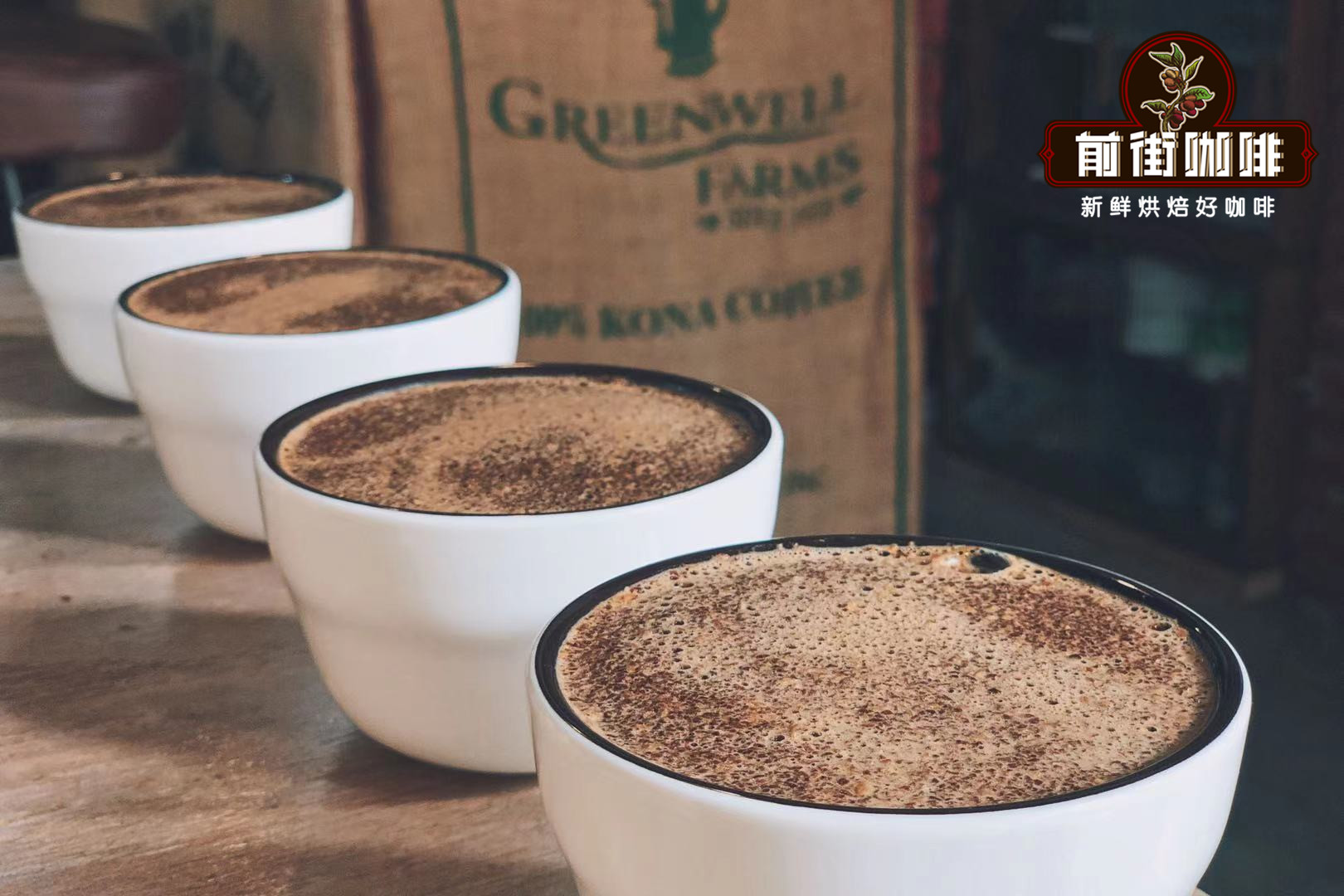
The difference between G1 and G2 coffee beans introduced what is the coffee grading system in Ethiopia
The difference between G 1 and G 2 coffee beans the difference between G 1 and G 2 coffee beans is introduced by putting the mellow beans into the pool and moving back and forth, using the friction of the beans and the power of running water to wash the coffee beans until smooth and clean. After washing, the coffee beans are still wrapped in the pericarp with a moisture content of 50%, which must be dried to reduce the moisture content to 12%, otherwise they

How to deal with the processing of single bean in Shaqisuo production area how to divide the grade of single bean in Shaqisuo production area
For the exchange of professional baristas, please pay attention to the coffee workshop (Wechat official account cafe_style). In recent years, no Ethiopia has attracted more attention than Yejia Sheffield. Guji-Shaquiso is less known than Yejia Sheffield, but under the trend of soaring overall prices of Yejia Sheffield in 2015, international boutique buyers have turned to other neighboring producing areas, such as Sidamo, Limu, Jimma and so on.
What is the difference between Yejia Xuefei washing and sun-drying raw beans? [washing] and [sun Yega]
Professional coffee knowledge exchange more coffee bean information please follow the coffee workshop (Wechat official account cafe_style) Yega Xuefei washing and sun-dried beans what is the difference? What is the difference between [washing] and [sun Yega] flavor trend? According to the map, Yega Xuefei is just a by-product area with the highest elevation leaning against mountains and water in Ethiopia's Sidamo Sidamo province. Because of

What are the characteristics of the Harald coffee producing area in Ethiopia? Sub-Hara producing area of Kafa Forest, Ethiopia
Professional coffee knowledge exchange more coffee bean information please follow the coffee workshop (Wechat official account cafe_style) the characteristics of Harald coffee producing area in Ethiopia? Where is the sub-Hara producing area of the Kafa forest in Ethiopia? Geographically located south of the Tropic of Cancer (latitude 5 to 15), close to the equator, belongs to tropical and subtropical climate patterns, most areas are located in
What's the difference between G1 and G2 Yega Xuefei? Classification of coffee beans in Ethiopia
We know that coffee beans are usually graded according to the actual situation of the growing country, such as Kenyan coffee, altitude, blue mountain coffee, and coffee defect rate, such as Ethiopian coffee. Ethiopia, as the gene bank of Arabica, has a wide variety of coffee.

What is ECX? Boji Washing Plant Introduction Ethiopian native coffee flavor
Professional coffee knowledge exchange More coffee bean information Please pay attention to coffee workshop (Weixin Official Accounts cafe_style) Ethiopia is not only the birthplace of coffee, but also provides incredible diversity of flavor characteristics in its micro-region. Coffee from the Kochere region has a rich fruity tea flavor, accompanied by typical citrus and stone fruit. Combine it with natural processing
The ranking system of raw beans in coffee producing countries introduces what is the best grade of coffee beans.
Ethiopia (rated in proportion to defective beans) before the emergence of the Ethiopian Commodity Exchange (Ethiopia Commodity Exchange referred to as ECX), Ethiopia's coffee export grade was established by the CLU Department (Cupping and Liquoring Unit) under the Ministry of Agriculture, mainly according to the number of defective beans in 300g. The classification criteria are as follows.

The history, culture, stories and allusions of the holy boutique beans in the producing area of Essegujia Qiso.
For the exchange of professional baristas, please pay attention to the coffee workshop (Wechat official account cafe_style) the history, culture, stories and allusions of the holy boutique beans in Esaigu Xia Chiso producing area, just like Yejia Chefe became well-known after becoming famous, so it became an independent producing area. Guji became an independent production area by ECX in 2010 because of its superior geographical location and cup flavor. Sh

Description of flavor, taste and aroma of Ethiopian water-washed lim coffee
For professional baristas, please follow the Coffee Workshop (official Wechat account cafe_style) ■ country: Ethiopia ■ Manor: ECX ■ producing area: Lim ■ Variety: Ethiopian Native species ■ treatment: washed ■ Harvest time: 2015 reached ■ Grade: GR1 Cup Test report: this is a lim coffee under the ECX system. We have talked about the ECX system before.

G1Ethiopian Fine Coffee from Omar-Abedu processing Plant, Yega Feivina Fruit Town
Professional coffee knowledge exchange more coffee bean information please follow the coffee workshop (Wechat official account cafe_style) production area: Yirgacheffe, Vina Fruit Town Variety: Typica Heirloom (Local Native species) producer: Vina Guo Town (Wanago) Oma-Abedu treatment Plant altitude: 1900 to 2100 m Grade: natural Solar (rated as G1 by ECX)

Variety of single bean, brand recommendation and manor introduction in Esseguji Xia Qiso producing area
For the exchange of professional baristas, please pay attention to the coffee workshop (Wechat official account cafe_style) Esseguigiso production area single bean species, brand recommendation and manor introduction Guji-Shakiso coffee is actually quite unique, and the coffee produced is also repeatedly attracted by the market. Ninty Plus launched the legendary bean model Nekisse at the end of 2009, the original intention is
Sidamo, Ethiopia Sunshine [Sakui] Micro-production area Hambella Humbela Manor Shengshi Village
For more information on coffee beans, please follow coffee workshops (Wechat official account cafe_style) according to the Ethiopian decree, there are three coffee export systems, (1) the largest privately owned processing plant system for export through competitive ECX, (2) the cooperative system, and (3) the single farm system. In these three systems, cooperatives and single estates do not need to pass through ECX
Ethiopian coffee trading system, coffee raw beans Sidamo sun [Sakuran] export system
According to the Ethiopian decree, there are three coffee export systems: (1) the largest private processing plant system that has been exported through ECX bidding; (2) the cooperative system; and (3) the single farm system. In these three systems, cooperatives and single manors can be exported directly without competitive bidding through ECX, which can be said to have completely reliable traceability / product resumes (traceability).

The difference, distinction and award-winning situation of single bean in Esseguji Xia Qiso producing area
For the exchange of professional baristas, please pay attention to the coffee workshop (official Wechat account cafe_style) the difference, distinction and award-winning situation of individual beans in Esaigu Xia Qiso producing area. Factory name: Dazhen Coffee Qianjie Cafe address: Guangzhou Baoqian Street 10 manufacturer contact Information: 20-38364473 ingredients Table: self-baking shelf life: 90 net content: 227g packaging: bulk coffee

Flavor characteristics, production area and cooking parameters of single bean in Esseguji Xia Qiso producing area
For the exchange of professional baristas, please pay attention to the coffee workshop (Wechat official account cafe_style) Essegujia Chiso producing area single bean flavor characteristics, producing area and brewing parameters Africa Ethiopia Yega Xuefei near the famous Kaffa forest, the whole region is a wild coffee forest, there are many and numerous coffee varieties, at least 1000 kinds of coffee, scholars and experts recognize the development of Arabica varieties.

Africa Ethiopia five fine coffee producing areas Sidama coffee Ye Jia Xue Fei flavor characteristics
Professional barista exchanges, please pay attention to coffee workshop (Weixin Official Accounts cafe_style) Ethiopia Yirgacheffe Adado Treatment Plant G1 (Ethiopia Yirgacheffe Adado G1 Washed) Production area: Yirgacheffe Variety: Local native species (Typica Heirloom) Producer: Adado Cooperative Treatment Plant Elevation: